Every comedy writer knows the golden rule of period sketches: build a believable world, then shatter it with surgical precision.
When Saturday Night Live rolled out its five-minute-and-forty-second 1920's Party sketch, the show leaned headfirst into that exact formula.
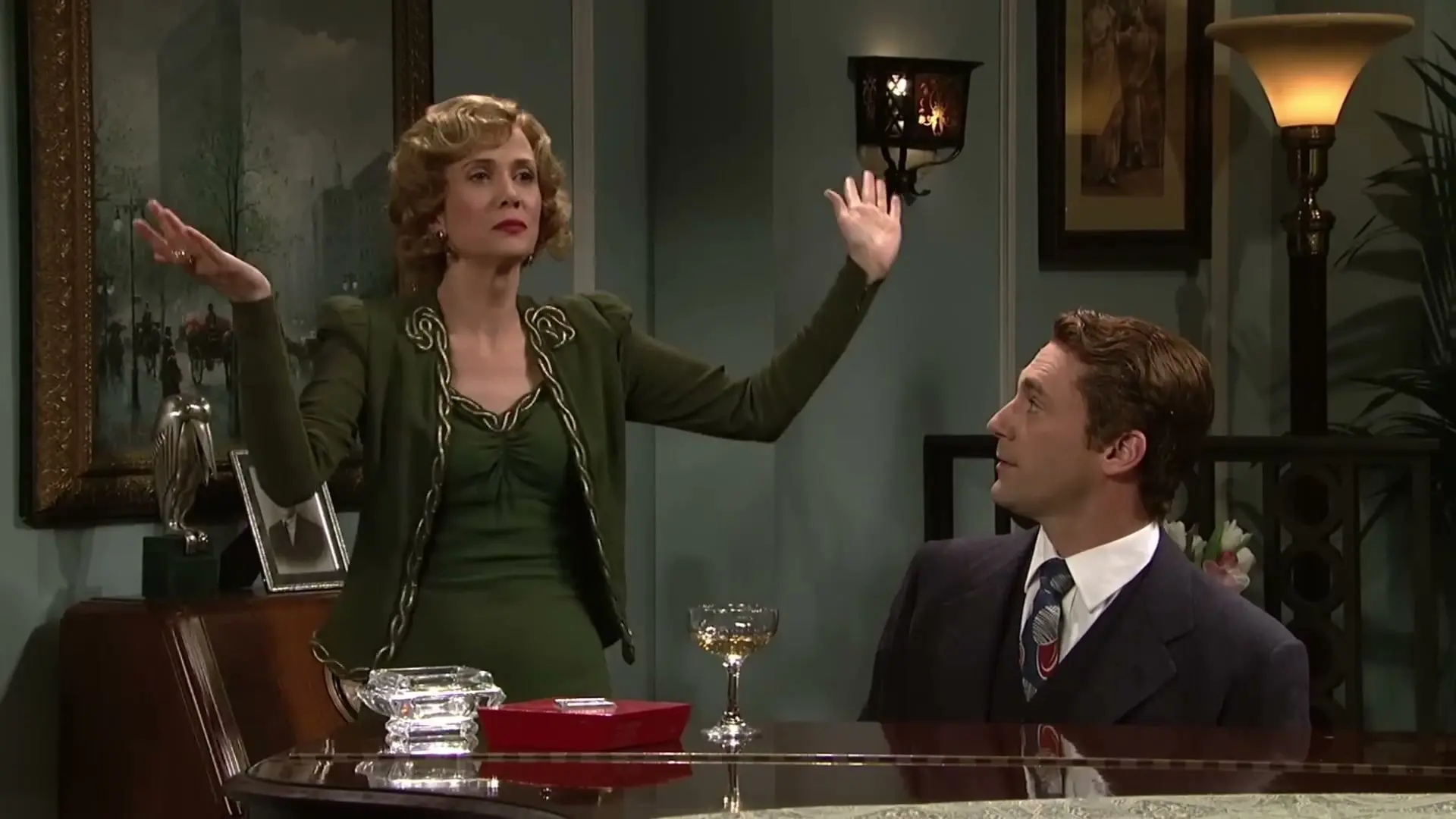
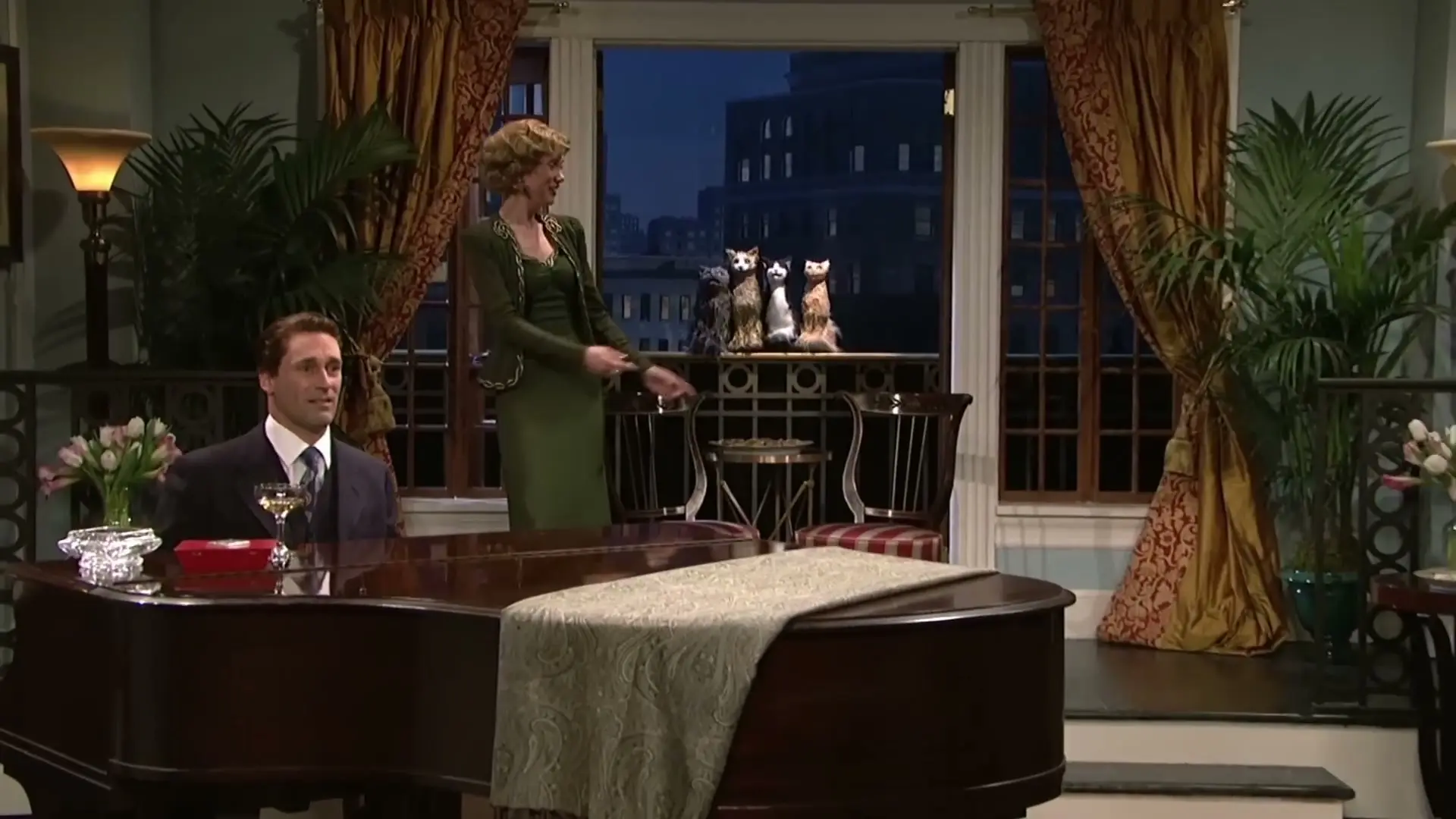
From the opening frames, the studio transforms into an upscale Prohibition-era speakeasy dripping with Jazz Age glamour.
Flappers twirl across the floor in fringed dresses while sharp-suited gentlemen raise glasses of bootleg cocktails to celebrate an economy that feels invincible.
The rapid-fire cadence of exaggerated transatlantic accents sets an unmistakable theatrical rhythm.
Viewers immediately settle into the familiar comfort of vintage Hollywood nostalgia.
Then the script pulls the rug out from under the room.
Around the one-minute-and-twenty-two-second mark, the seamless period illusion fractures in the funniest way possible.
As partygoers trade brisk vintage catchphrases over illicit drinks, one attendee casually drops modern internet lingo right into the middle of the conversation.
The shift requires zero explanation.
Instead of a loud punchline, the comedy lands in the suffocating silence that follows.
Surrounding flappers and mobsters freeze mid-toast, offering nothing but deadpan confusion in response to contemporary Gen-Z terminology.
That sudden clash of eras exposes just how absurd both vernaculars sound when stripped of their native context.
Transatlantic 1920s slang already sounds like a linguistic performance to modern ears.
Placing current digital slang directly beside it reveals that our own everyday speech is just as bizarre.
The cast resists the temptation to overplay the reaction, letting the awkwardness breathe across the screen.
A lesser sketch would have beaten that single anachronistic joke into the ground for five straight minutes.
Instead, the writers treat it as an opening volley before escalating the comedic stakes.
Once the room recovers its footing, the celebration surges back to full volume with high-energy Charleston dancing and clinking glassware.
The atmosphere feels untouchable again, lulled by jazz rhythms and reckless Prohibition optimism.
That false sense of security sets up the sketch's sharpest tonal whiplash at the three-minute-and-thirty-five-second mark.
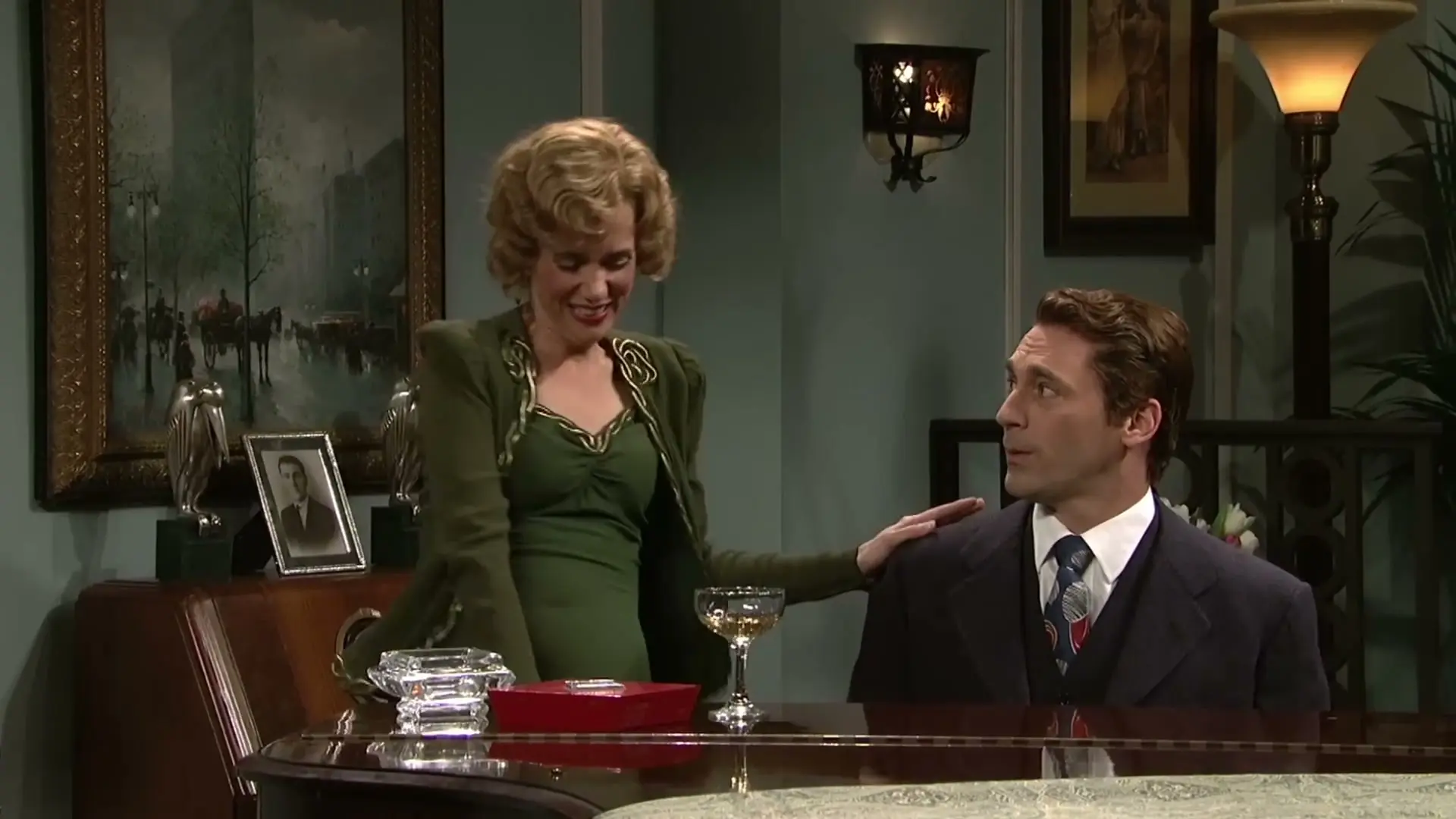
A glamorous, well-dressed gentleman steps forward to interrupt the dance floor and offer a celebratory toast to the roaring economy.
Everything about his posture signals classic 1920s bravado.
Then he opens his mouth and delivers a shockingly dark, dead-on prediction of the impending 1929 stock market crash.
He does not stop at financial ruin.
With the same breezy party demeanor, he casually foreshadows the Great Depression and decades of looming global conflict.
The room's reaction turns the moment into pure comedic gold.
Upbeat jazz-age revelry collides head-on with grim historical hindsight, creating an instant jolt for anyone watching at home.
Part of what makes the bit work so well is the cruel dramatic irony baked into the premise.
Every viewer knows what waits just around the corner of 1929, even as the characters cling to their champagne flutes.
By voicing modern historical knowledge through the mouth of a cheerful speakeasy guest, the sketch turns collective hindsight into a weapon.
The contrast between festive denial and catastrophic foresight captures the essence of great satirical writing.
Even after dropping a bleak historical bomb on the party, the sketch refuses to lose its momentum.
As the runtime pushes toward its final minute, the focus narrows to a heated confrontation near the bar.
At the four-minute-and-fifty-two-second mark, tensions flare between two rival patrons over a spilled glass of bootleg gin.
In any standard gangster drama, a ruined drink at the height of Prohibition signals imminent violence.
Viewers brace for concealed weapons, overturned tables, and gritty mobster threats.
Saturday Night Live flips the trope completely on its head.
Rather than reaching for firearms, the two men lock into an absurdly polite 1920s standoff.
They trade increasingly ridiculous, period-accurate insults while maintaining massive, theatrical smiles.
Every threat is delivered with relentless Jazz Age optimism.
Watching tough-talking gangsters menace each other with cheerful enthusiasm keeps the audience hooked right through the final beat.
The physical comedy in those closing seconds relies entirely on commitment.
Neither performer breaks character as the insults grow more convoluted and the grins grow wider.
It is a masterclass in escalating absurdity without losing control of the scene's internal logic.
Across five minutes and forty seconds, the sketch demonstrates why period pieces remain one of live sketch comedy's most reliable playgrounds.
History provides a rigid set of visual and linguistic rules that audiences recognize within seconds.
Once those rules are established, every tiny violation feels monumental.
A single modern slang word can derail an entire room.
One accurate historical prediction can turn a joyful toast into a horror story.
A polite smile can make a barroom brawl funnier than a fistfight.
The production design does heavy lifting throughout the piece, grounding the nonsense in convincing costumes, lighting, and staging.
Because the speakeasy looks authentic, the comedic ruptures feel earned rather than cheap.
Pacing also plays a decisive role in keeping the energy alive from start to finish.
By spacing its biggest left turns across the first, third, and fifth minutes, the writing prevents any lull in audience engagement.
Each beat builds upon the last while exploring a completely different angle of the same 1920s setting.
First comes the linguistic anachronism.
Next comes the historical dread.
Finally comes the behavioral inversion of classic gangster cinema.
Together, those three movements form a tight comedic arc that never feels repetitive.
Live television thrives on that kind of structural discipline, especially when performers have only one take to nail intricate timing.
A missed beat during the deadpan slang exchange or an early laugh during the stock market toast would have deflated the tension instantly.
Instead, the ensemble holds the line and lets the writing do the heavy lifting.
Long after the applause fades on Studio 8H, this Roaring Twenties blowout stands as proof that smart historical satire never goes out of style.
It reminds viewers that the sharpest comedy often happens when the past and the present collide in the middle of a crowded room.
Watch full video here: