The lights dim and the iconic brassy theme song of In Living Color kicks in, signaling a transformation that would define nineties sketch comedy culture.
Suddenly, we are transported to a stage that vibrates with the frantic, neon-soaked energy of prime time television.
Jamie Foxx steps into the frame with that signature grin, hosting a parody of The Dating Game that promised romance but delivered nothing short of pure, unfiltered comedy warfare.
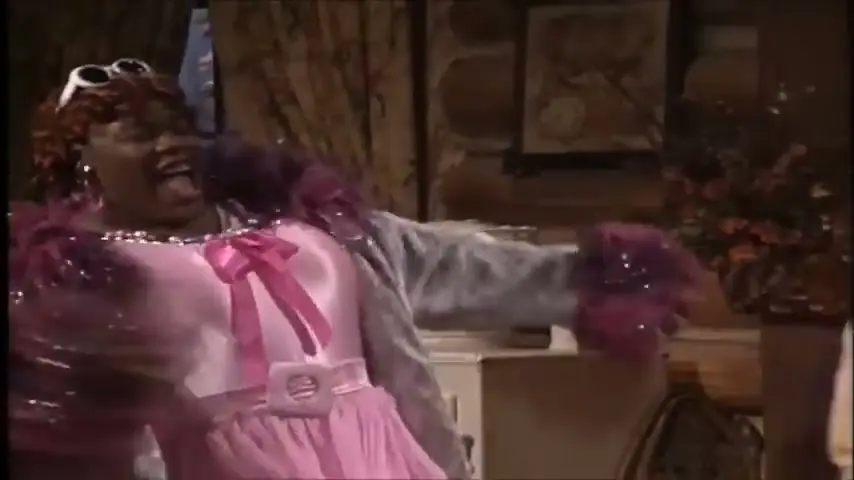
At the center of this storm is Wanda, the recurring, unapologetically abrasive character played by Foxx, whose presence on screen was a masterclass in aggressive improv and comedic timing.
Wanda is not here to find love in the traditional sense.
She is here to dominate, berate, and dismantle the poor souls brave enough to sit behind the cardboard curtain.
The audience erupts as she sashays onto the stage, a larger-than-life caricature of a woman who takes no prisoners and leaves no insult unsaid.
The premise is simple, yet in the hands of the In Living Color cast, it becomes a chaotic theater of the absurd.
The bachelor contestants are lined up, mere pawns in Wanda's high-stakes game of ego and indignation.
Foxx leans into the role with an intensity that borders on the manic, his voice rising and falling with the rhythmic cadence of a seasoned stand-up comedian working a hostile room.
He peppers the contestants with questions that are as invasive as they are nonsensical, designed not to uncover their personalities but to highlight their inherent nervousness.
The laughter from the studio audience is constant, a rolling wave of approval that fuels the sketch as it spirals further into madness.
We watch as Wanda dissects the men, tossing aside their answers with a wave of her hand and a sharp-tongued retort that lands with the precision of a scalpel.
It is the kind of television that feels dangerous, an artifact from an era when satire was sharper and the boundaries of character comedy were constantly being pushed to the breaking point.
The brilliance of the segment lies in the physicality of Foxx, who manages to occupy the space with a bravado that makes it impossible to look away.
Every eye-roll, every neck snap, and every exaggerated pout is calibrated to elicit a reaction, and he succeeds at every turn.
Even as the game progresses, it is clear that the winner will not be decided by compatibility or charm, but by sheer survival.
The contestants stutter and stumble, struggling to keep up with the mercurial nature of the woman they are competing to date.
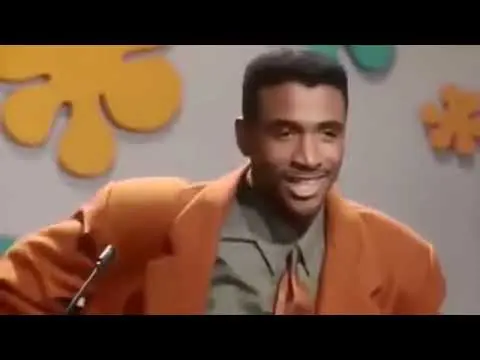
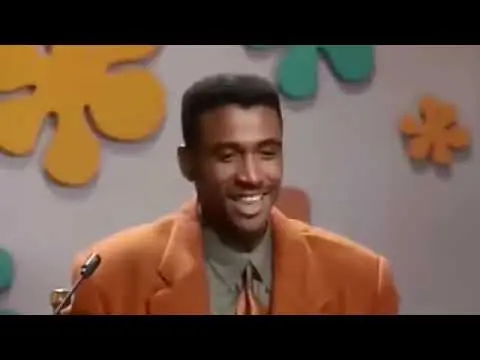
You can see the genuine amusement on their faces, a mix of scripted performance and authentic surprise at the direction the sketch is taking.
This segment remains a quintessential example of why In Living Color was such a cultural phenomenon.
It was fearless, it was loud, and it was entirely unapologetic about its desire to push the envelope of televised comedy.
Through the lens of Wanda, we see the writers of the show poking fun at the very concept of the dating game, highlighting the artificiality and the performative nature of such shows.
Yet, beneath the layers of makeup and the frantic energy, there is a core of pure talent.
Foxx is not just playing a character; he is inhabiting a persona that has its own logic, its own set of rules, and its own unique way of interacting with the world.
The interactions are fast-paced, rarely allowing the audience a moment to catch their breath.
One moment, Wanda is demanding to know why a contestant would dare to wear a certain outfit, and the next, she is delivering a monologue about her standards that is as hilarious as it is terrifying.
The comedy is relentless, building up a rhythm that mirrors the hectic pace of the decade it was born in.
For fans of classic sketch comedy, this moment serves as a reminder of a time when the ensemble cast was the engine of innovation.
The chemistry between the cast members, even when they are sidelined by the sheer force of a character like Wanda, is palpable.
They provide the perfect canvas upon which Foxx paints his portrait of comedic frustration and desire.
As the segment draws to a close, the absurdity reaches its peak, leaving the audience in a state of exhaustion from laughing.
It is a spectacle that refuses to be ignored, demanding attention with every beat.
Looking back at this clip, it is easy to see the foundations of the career that would eventually take Foxx to the heights of Hollywood stardom.
The ability to command a room, the fearlessness to play the ugly side of humor, and the intuition to know exactly when to strike for a laugh—these were all present in this flickering, low-resolution archive of nineties gold.
Even now, decades removed from the initial air date, the comedic impact hasn't dulled.
The jokes still hit, the character still resonates, and the sheer audacity of the performance continues to captivate new generations of viewers who stumble upon these hidden gems of television history.
It is a testament to the enduring power of In Living Color that we still analyze these sketches today, finding new layers of genius in the chaos.
Wanda Wayne might have been looking for a date, but what she ultimately secured was a permanent spot in the annals of legendary television comedy.
The stage may have gone dark, but the laughter sparked by that high-voltage energy remains as bright and chaotic as ever.
Watch full video here: