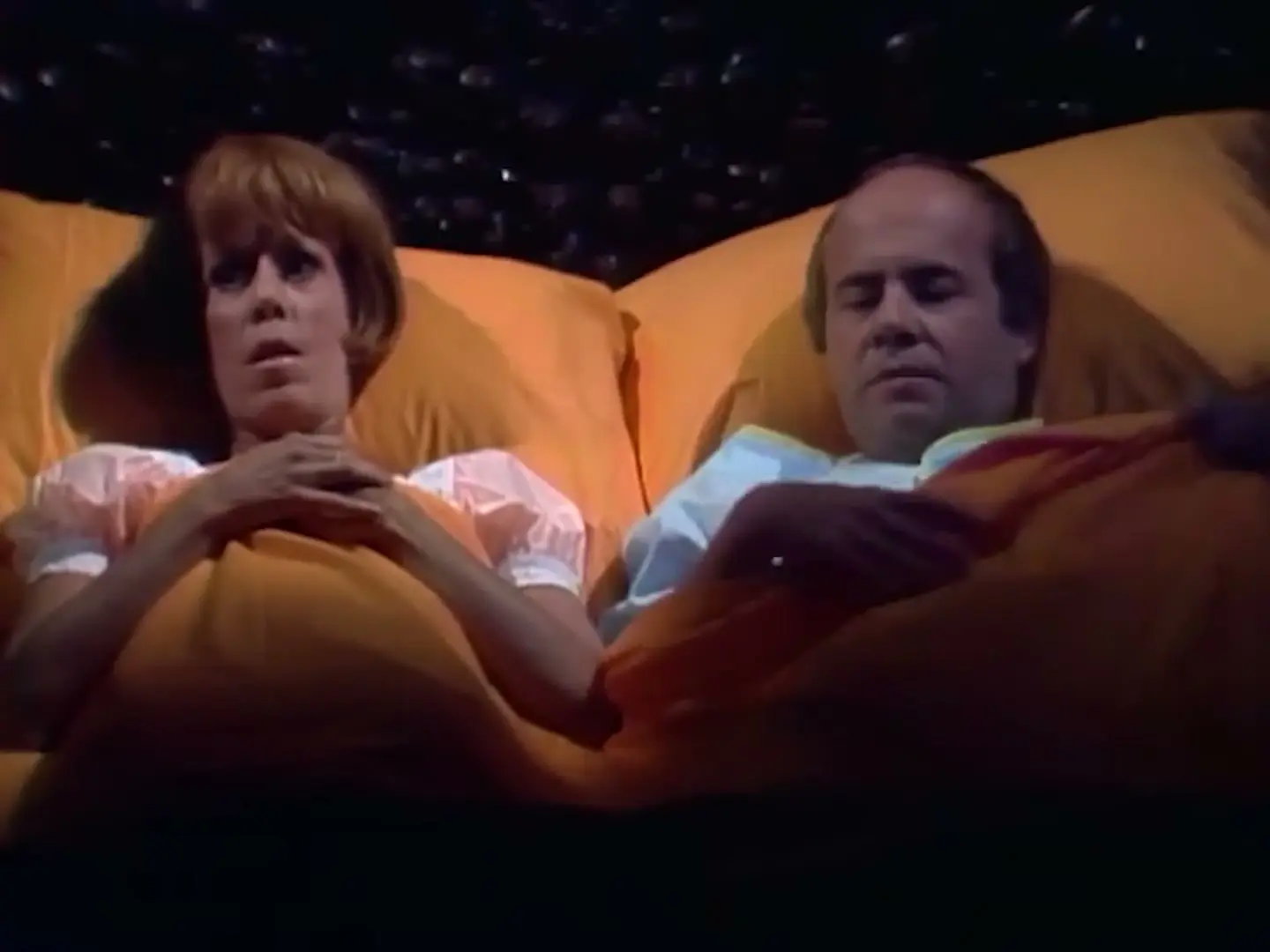
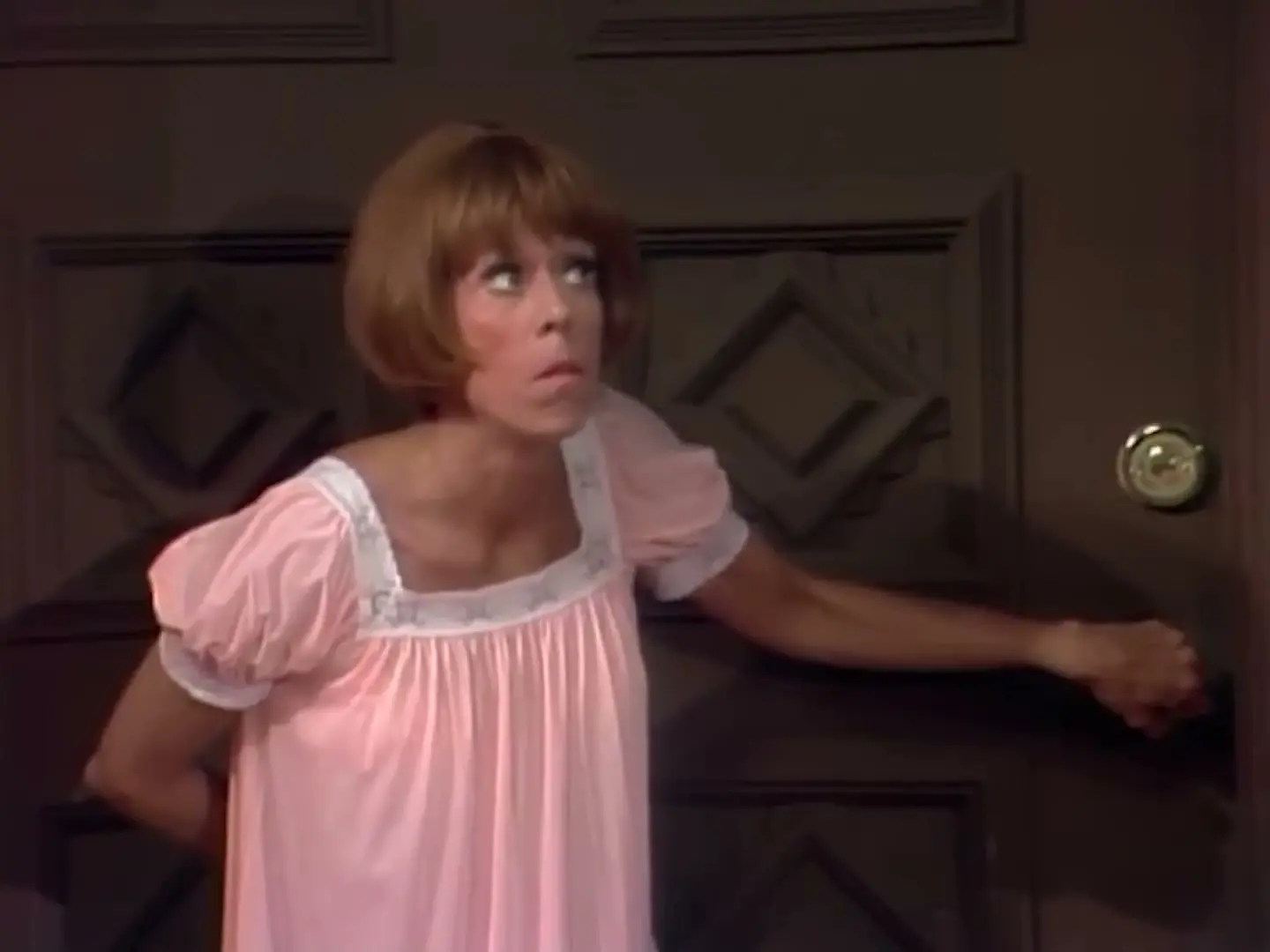
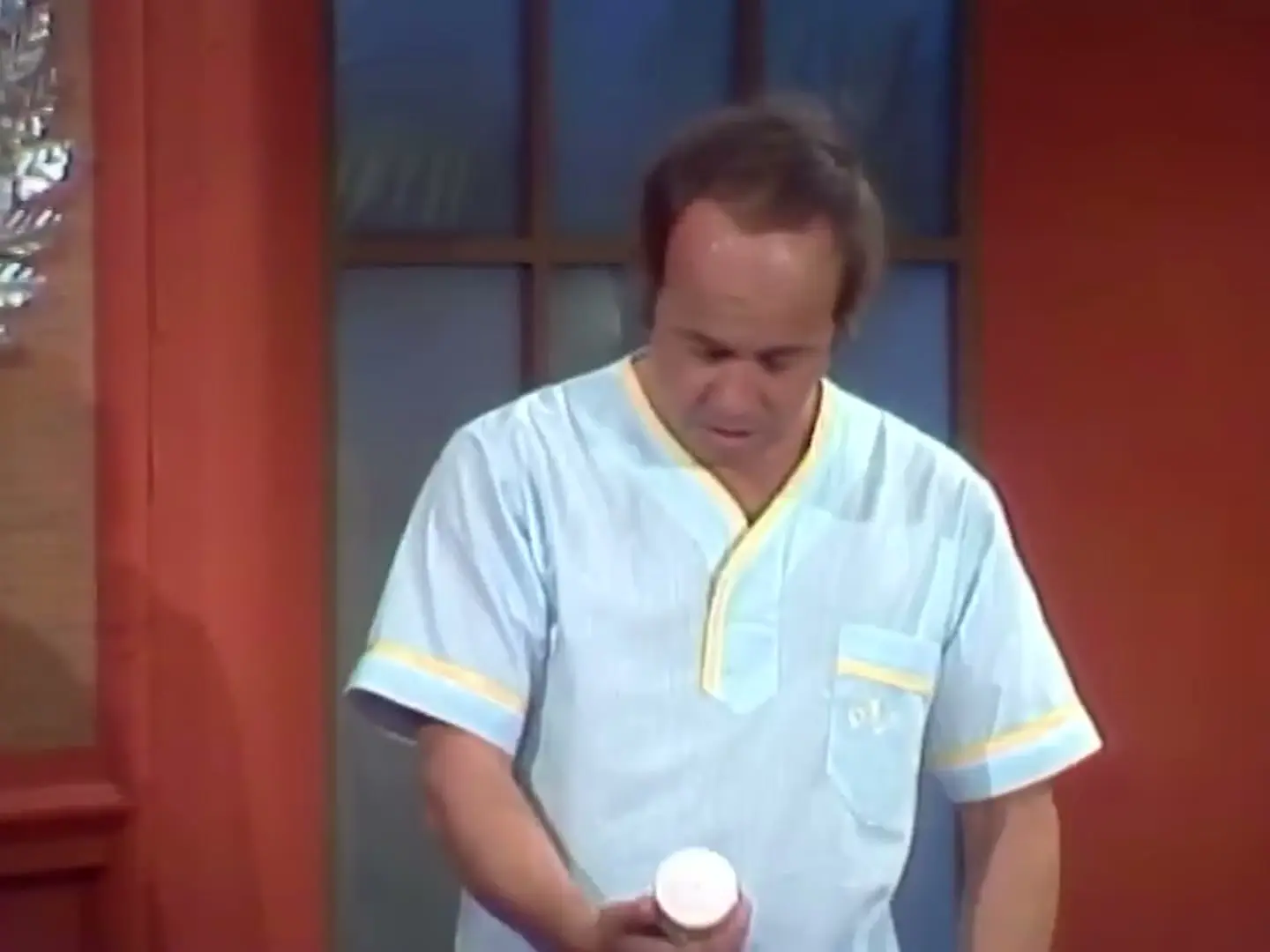
Before Steven Spielberg ever made beachgoers afraid of the ocean, the cast of The Carol Burnett Show decided to make television audiences terrified of their own bathroom plumbing.
Released on the official Carol Burnett Show YouTube channel, the eleven-minute sketch titled Jowls remains a masterclass in physical comedy, deadpan absurdity, and fearless theatrical commitment.
While the iconic 1975 blockbuster revolved around a great white predator terrorizing a coastal resort town, this variety show send-up relocates the suspense to the uncharted sewers beneath a seemingly innocent city brownstone.
A solemn opening narration sets the stakes with dramatic precision, describing an ancient eating machine whose habits baffle scientists and whose attacks occur without logic inside apartment pipes.
From the very first frame, the production leans into the contrast between high-stakes cinematic tension and mundane domestic reality.
Instead of an open ocean, the battleground is a cramped apartment bathroom, and the looming threat is a voracious creature cruising through the plumbing.
The narrative kicks into high gear outside the brownstone with a live broadcast from Hunter Wheatley of Channel 6 News.
Standing before the building, Wheatley interviews two starkly different authorities: Wally Furman, the defensive building superintendent played by Harvey Korman, and Helen Wills, a representative from the city water department's plumbing disasters division portrayed by Carol Burnett.
Furman flatly denies the rumors of a killer sewer shark, refusing to shut down his apartment building over what he dismisses as baseless gossip.
Burnett's character immediately counters his bureaucratic stubbornness with grim physical evidence pulled straight from a tenant's bathroom.
She reveals that after inspecting Mrs. Morgan's bathtub, the only remnant she recovered was a half-eaten rubber duck.
Furman attempts to defuse the panic by presenting a tiny fish as the supposed culprit, only for Helen Wills to expose the ruse by holding a microphone up to the small catch, which lets out a tiny, unconvincing squeak rather than a menacing roar.
Realizing the cover-up has failed, Wills declares she is shutting the building down immediately before the sewer shark strikes again.
Desperate to protect his tenants and his livelihood, Furman stalls her by revealing he has already summoned the only specialist capable of hunting the beast.
He calls upon Quint, the legendary rotor man known across the city as the one with the silver plunger.
Right on cue, Tim Conway makes a memorable entrance that instantly shifts the comedic gravity of the entire room.
Swapping Robert Shaw's grizzled sea captain for a swaggering, eccentric plumber, Conway struts into the scene with complete confidence, declaring that bad sewage is in his blood.
With a silver plunger in hand and a fearless attitude, Conway's Quint leads the reluctant superintendent and the skeptical water official straight toward the bathroom to confront the unseen menace.
The pacing of the sketch thrives on the chemistry between Korman, Burnett, and Conway, three performers who knew exactly how to stretch a comedic premise without ever rushing the punchline.
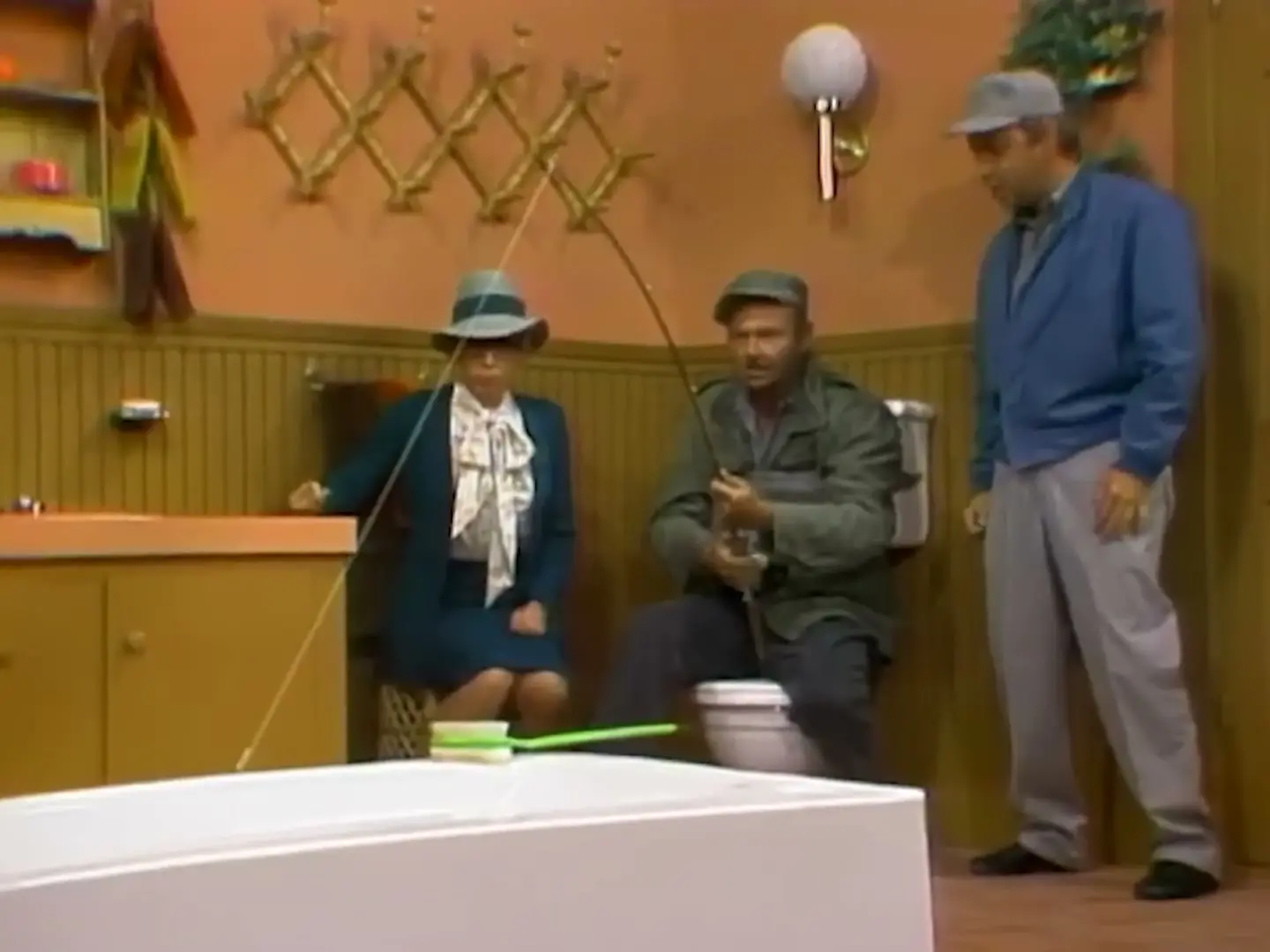
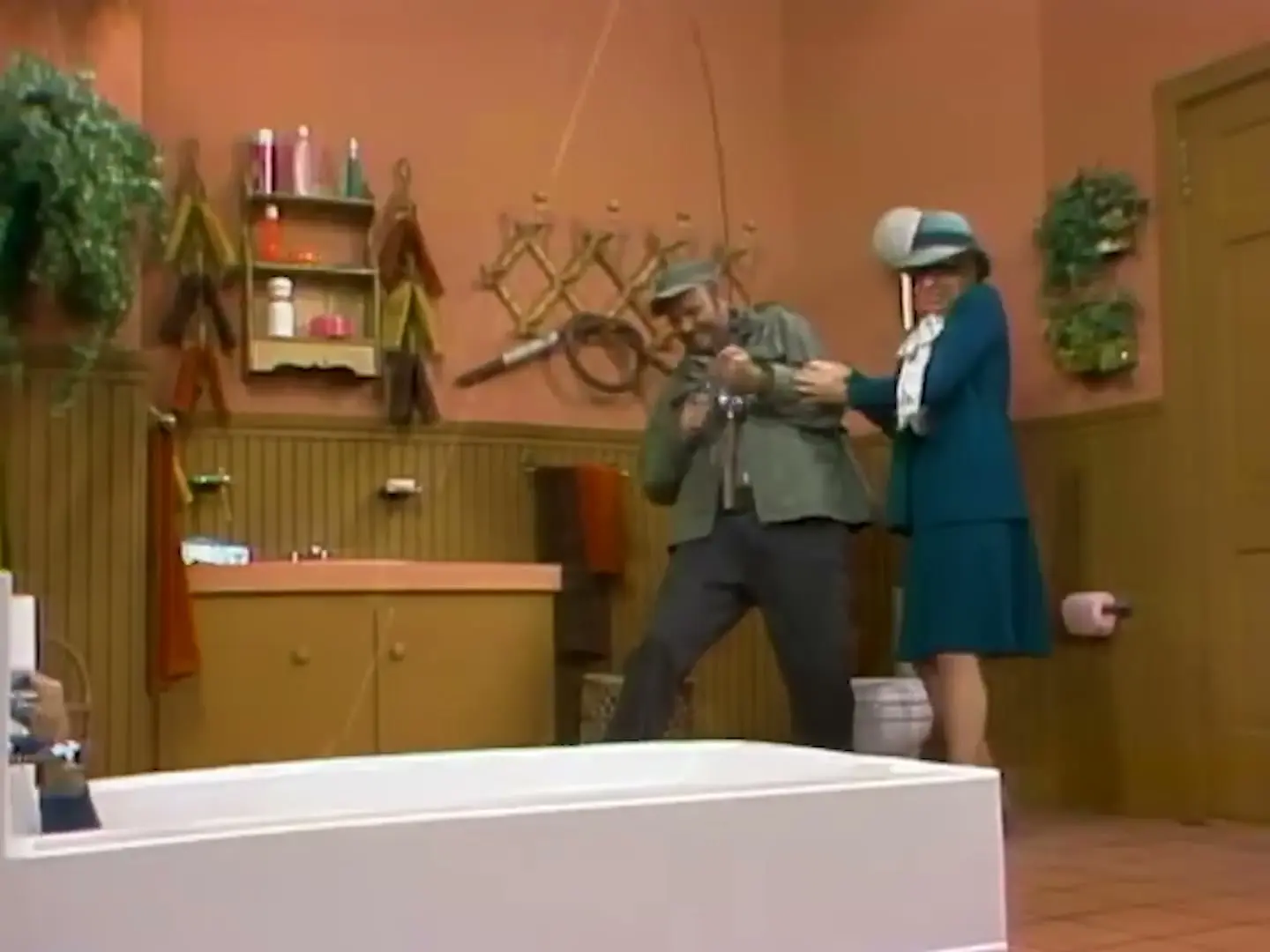
Once inside the bathroom, the trio treats the porcelain bathtub like the deck of the Orca, rigging heavy-duty fishing tackle and preparing to lure the predator up from the drain.
Conway's Quint takes command of the expedition with deadpan intensity, barking orders at his makeshift crew while inspecting the plumbing like a seasoned mariner reading choppy waters.
When he asks for bait, he demands one of the worms from a nearby can, only to mock Korman and Burnett as sissies when they flinch at the sight of the squirming lure.
Ordering them to turn their backs while he hooks the worm, Conway turns a simple prop setup into a miniature clinic in physical timing and facial expression.
Once strapped into a makeshift fighting chair beside the tub, Quint settles in to wait for the beast to strike, opening the door for one of the sketch's sharpest dialogue exchanges.
Parodying the famous scar-comparing scene from Spielberg's original film, Burnett asks Quint about a mark on his body, prompting Conway to casually dismiss it as a boo-boo.
He then launches into a deadpan tall tale about fishing for shark off the Florida Keys in forty-four with a lass he met in a bar.
According to Quint, they were out on the water for three days when the attack finally happened—not from a shark, but from his wife, who came right on board and bit him in the leg.
Never one to be outdone, Burnett's Helen Wills counters with her own tragic maritime story set in Hawaii.
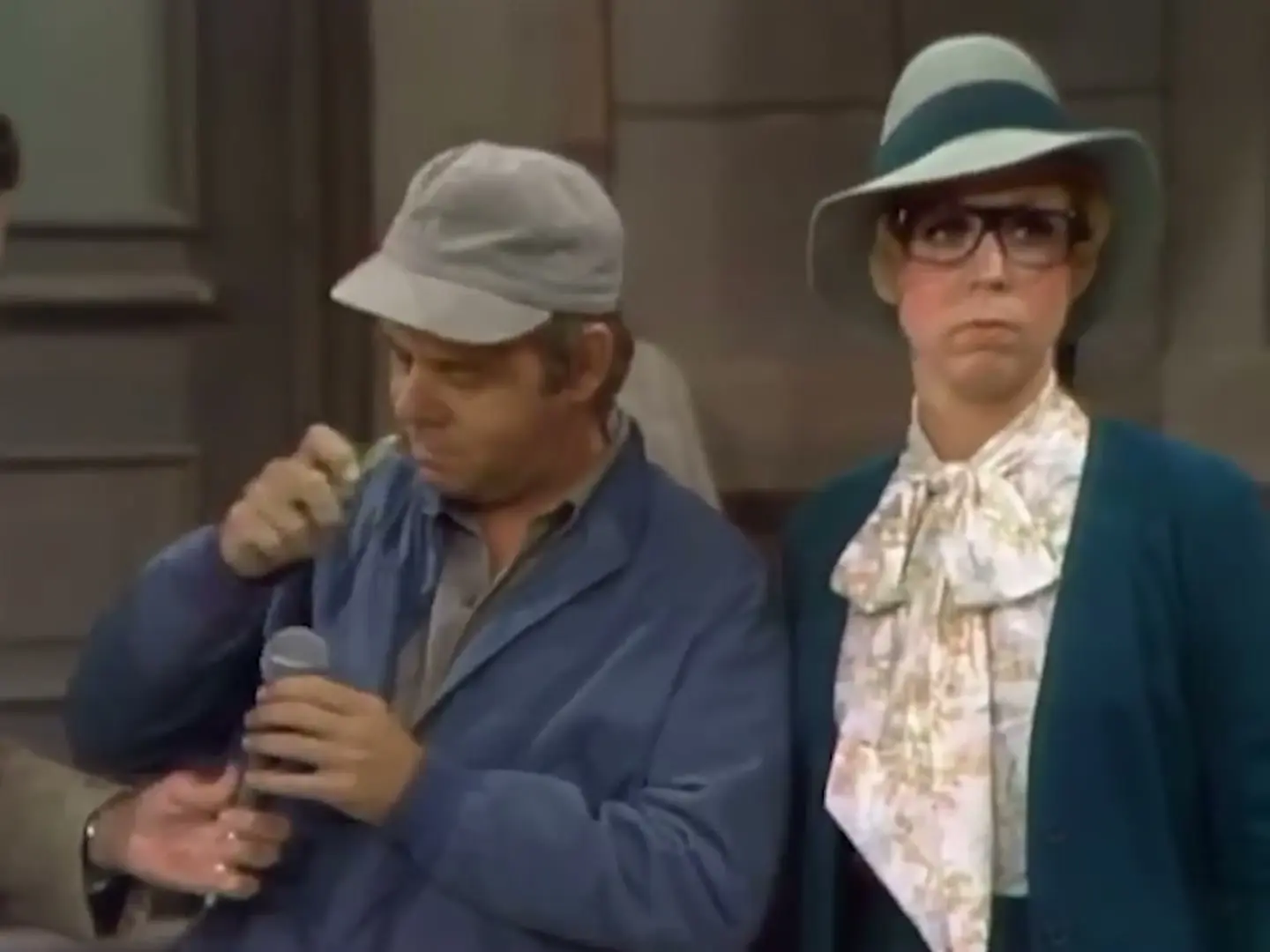
She recounts how her girlfriend sat on the front of a sailboat, jumped off, and tried to swim to shore, making it about forty yards before a big white struck.
With completely straight faces, Burnett delivers the punchline that her friend would have survived the swim if she had not been wearing her good luck ham.
The sheer deadpan delivery from both performers allows the ridiculousness of the lines to land without a single wink to the camera.
That quiet tension shatters the moment the fishing line goes taut and the unseen creature beneath the tub takes the bait.
Chaos erupts around the porcelain as Conway struggles against the pull of the line, yelling for his crew to grab the handle while the bathroom shakes with the sound of a ferocious struggle.
When the line finally snaps slack, Quint stares down at the water in disbelief, delivering a tailored twist on one of cinema's most famous lines by warning that if they are going to catch this monster, they are going to need a bigger toilet.
Checking the severed line, Quint realizes they are dealing with no ordinary beast after noticing the shark managed to tie a sheepshank knot before escaping.
Panic sets in for Helen Wills, who once again demands the building be evacuated immediately, only for Quint to block the exit and declare that nobody is leaving the room until the shark is his.
As the bathroom begins to flood and tilt like a sinking vessel, the physical comedy escalates into full-blown slapstick.
Korman and Conway scramble to stay upright while water splashes across the set, turning the cramped bathroom into a chaotic maritime disaster.
Realizing standard worms will not draw the creature back out, Quint announces they need bigger bait—specifically something short, fat, and stupid.
Before Korman's Wally Furman can protest, Quint volunteers the superintendent himself as human chum, ordering him toward the tub despite Furman's frantic objections.
With Furman dangling precariously over the water as bait, the giant predator finally breaches the surface in all its absurd glory.
Rather than a sleek mechanical great white, the monster terrorizing the brownstone turns out to be a massive, snapping set of chattering dentures rising out of the bubbles.
The visual gag instantly pays off every second of dramatic buildup, transforming a tense monster thriller into pure variety-show lunacy.
Watchers of classic television know that half the joy of any Tim Conway sketch lies in watching Harvey Korman fight for his life to keep a straight face.
Throughout the escalating madness, Korman balances his character's pompous terror with the visible strain of working opposite Conway's unpredictable physical choices.
Even when the giant jaws snap at the edge of the tub and water sprays across the floor, the cast commits completely to the reality of the crisis.
With the bathroom sinking fast and the oversized dentures threatening to swallow them whole, Quint realizes there is only one way left to finish the hunt.
Asking his crew for dynamite, he prepares a final desperate gambit to destroy the creature from the inside out.
As the giant teeth lunge forward one last time, the crew manages to lodge the explosive straight into the snapping jaws before pulling back for cover.
A muffled blast echoes through the plumbing, signaling the end of the reign of terror beneath the brownstone.
In the quiet aftermath, the surviving duo immediately pivots from mortal terror to over-the-top mutual admiration.
Korman's Furman praises Quint as the greatest hero he has ever seen, while Conway's Quint modestly insists that Furman was the truly brave one for helping plant the dynamite.
The back-and-forth compliments grow increasingly absurd until Furman notes that Quint might have bruised his little finger during the explosion, prompting the two men to casually agree to go out together as the sketch wraps up.
Decades after it first aired on broadcast television, Jowls endures because it refuses to rely on cheap imitation alone.
By pairing spot-on structural parody with inspired prop gags and the unmatched chemistry of Tim Conway, Harvey Korman, and Carol Burnett, the sketch turns a blockbuster thriller into timeless comedic gold.
Watch full video here: