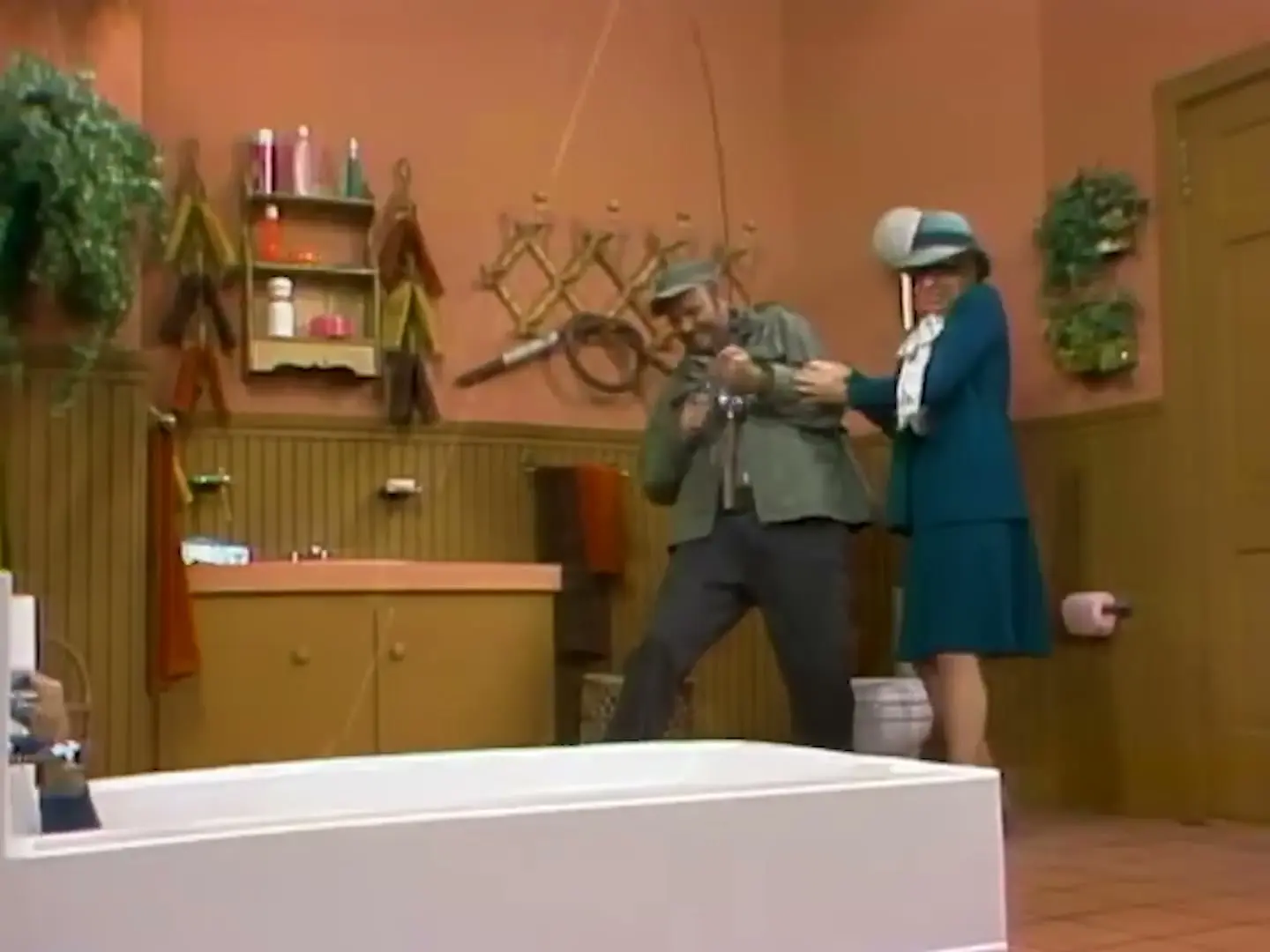
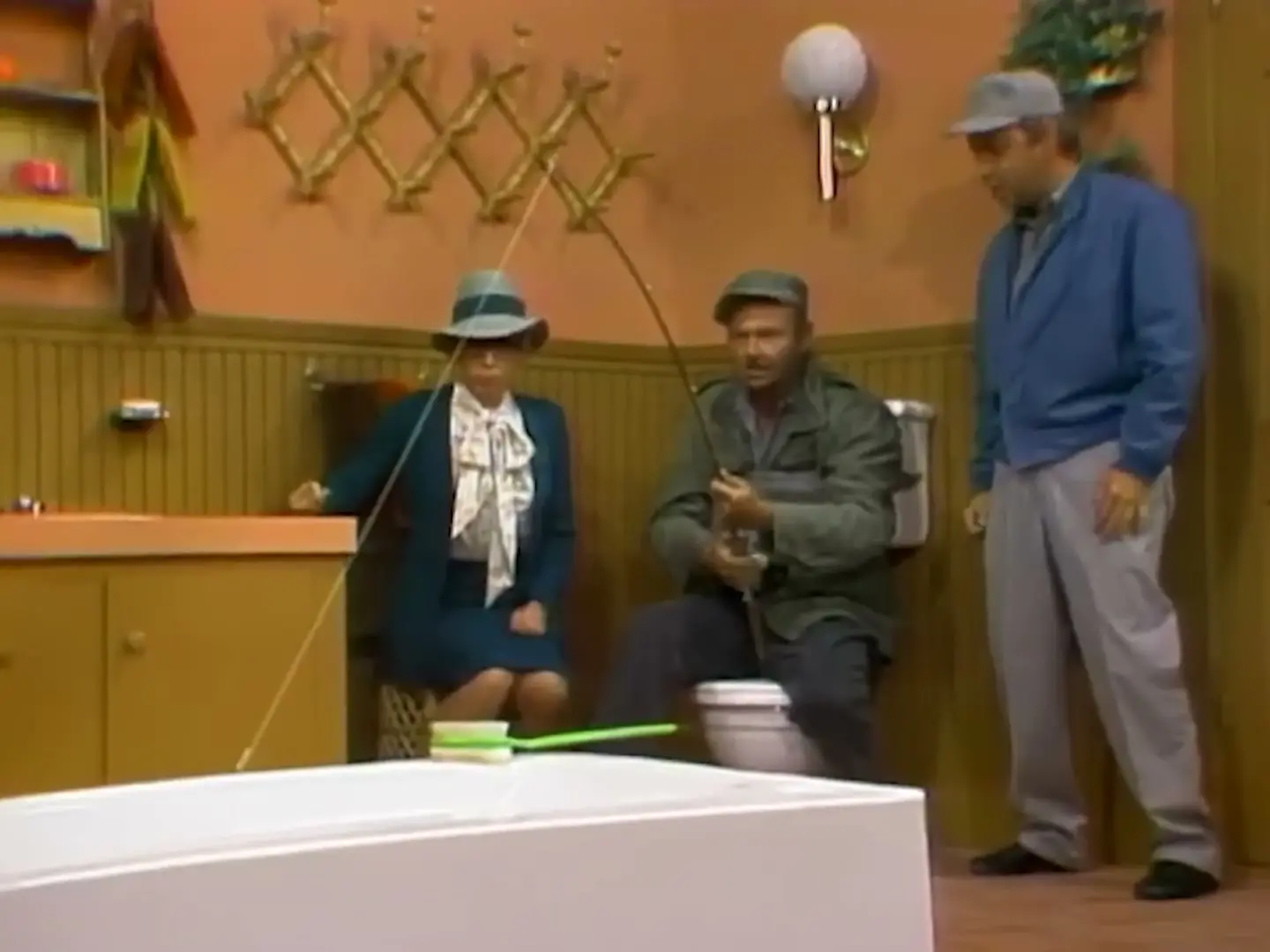
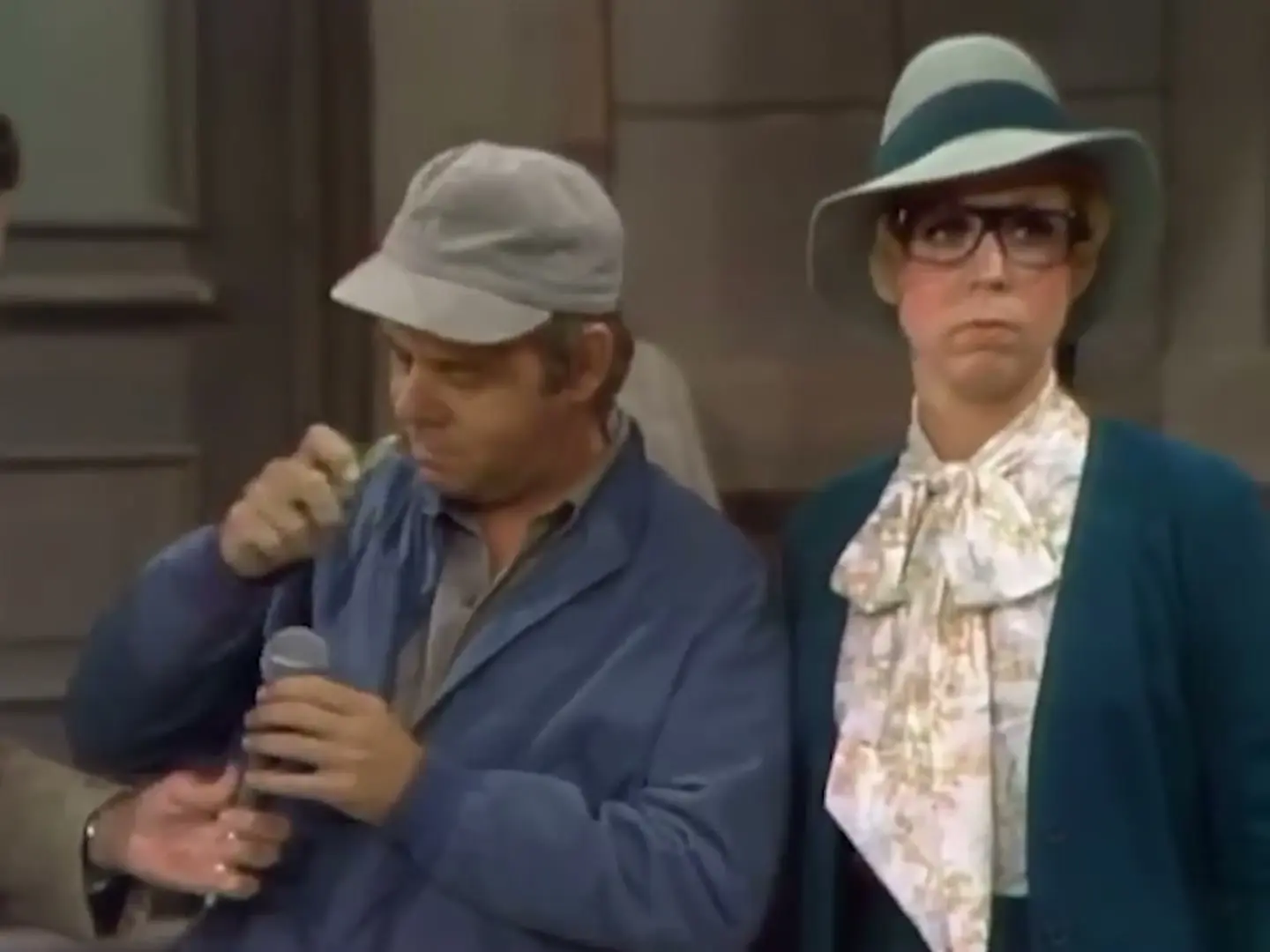
Absolute monarchy looks glamorous until a deadpan guard refuses to let you into your own bedroom.
In one of the sharpest sketches from The Carol Burnett Show, Carol Burnett and Harvey Korman play a reigning King and Queen who want nothing more than to go to sleep.
Instead of plush pillows and quiet luxury, the exhausted rulers walk straight into a bureaucratic nightmare right outside their royal bedchamber.
The seven-minute-and-fifty-second classic demonstrates why this ensemble remains the gold standard of American television sketch comedy.
It takes a simple, relatable human desire—getting into bed after a long day—and traps it inside an escalating maze of palace protocol.
At the center of the storm stands Tim Conway, playing a steadfast palace guard whose devotion to the rulebook borders on weaponized incompetence.
When the monarchs approach their private quarters just before the two-minute mark, Conway steps forward to block their path.
He does not yell, threaten, or conspire against the crown.
He simply adheres to royal regulations with a literal-mindedness that immediately strips the King and Queen of every ounce of real power.
Harvey Korman plays the King as a man teetering on the edge of a nervous breakdown, his booming baritone cracking under the weight of petty rules.
Carol Burnett matches him beat for beat as the Queen, her expressive eyes widening in disbelief as their own staff treats them like trespassers in their own castle.
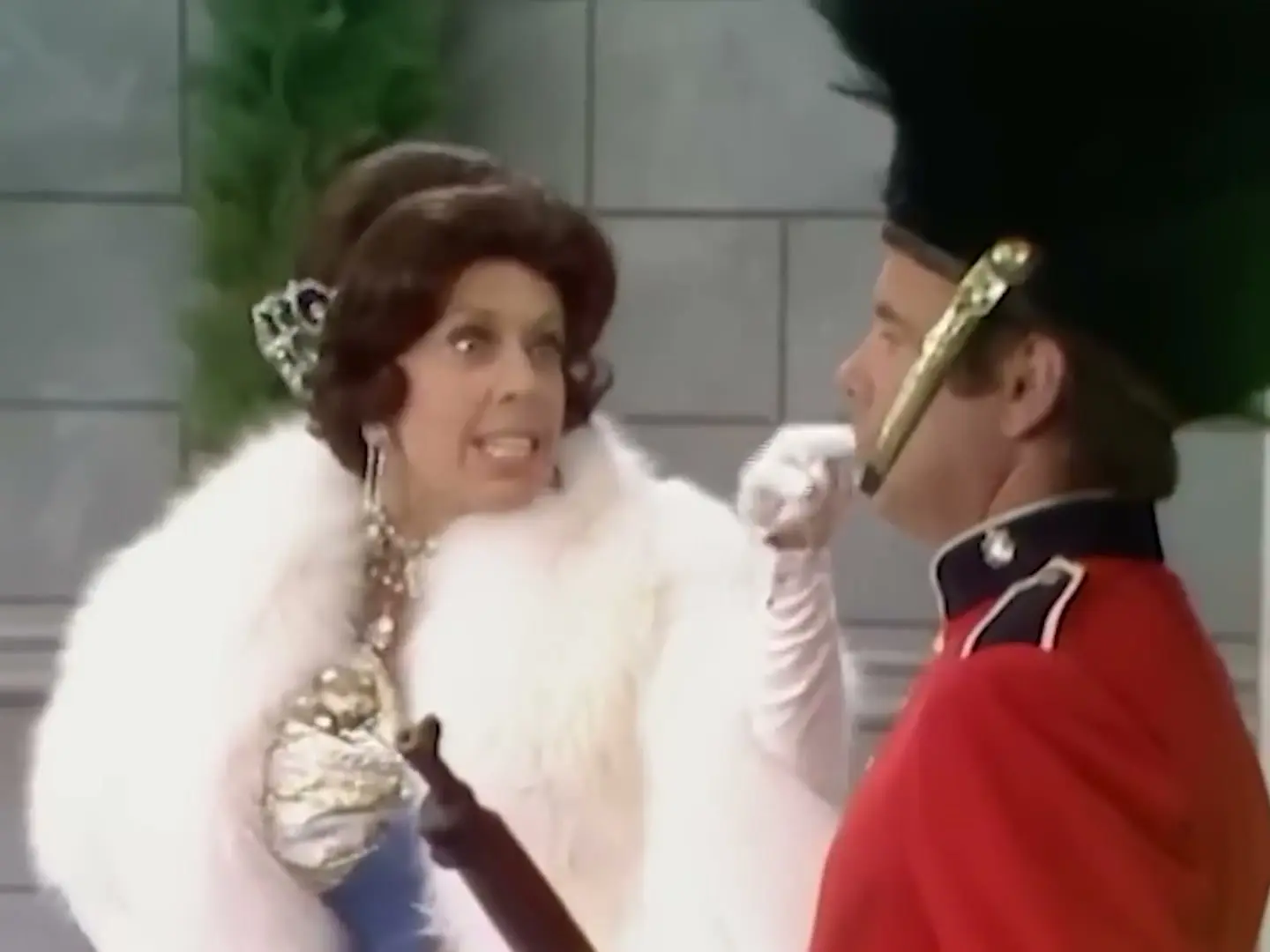
Watch how the rhythm of the scene builds through sheer frustration.
Every time the royal couple thinks they have cleared one absurd hurdle, another layer of ceremonial red tape drops down in front of the door.
By the four-minute-and-twenty-five-second mark, the King decides he has had enough of polite negotiation.
He puffs out his chest, raises his voice, and attempts to pull rank on his subjects, demanding immediate obedience from the people who ostensibly serve him.
In most dramas, a roaring monarch commands instant compliance.
In the hands of these comedy veterans, that burst of royal authority backfires within seconds.
The palace staff does not flinch or bow.
Instead, they counter his outburst with yet another bizarre regulation, leaving the Queen completely stunned and the King deflated.
This is where the chemistry of The Carol Burnett Show truly shines.
Korman was famously susceptible to breaking character when working opposite Tim Conway, and you can feel that electric tension vibrating through every exchange.
Conway weaponizes silence and slow, deliberate pacing.
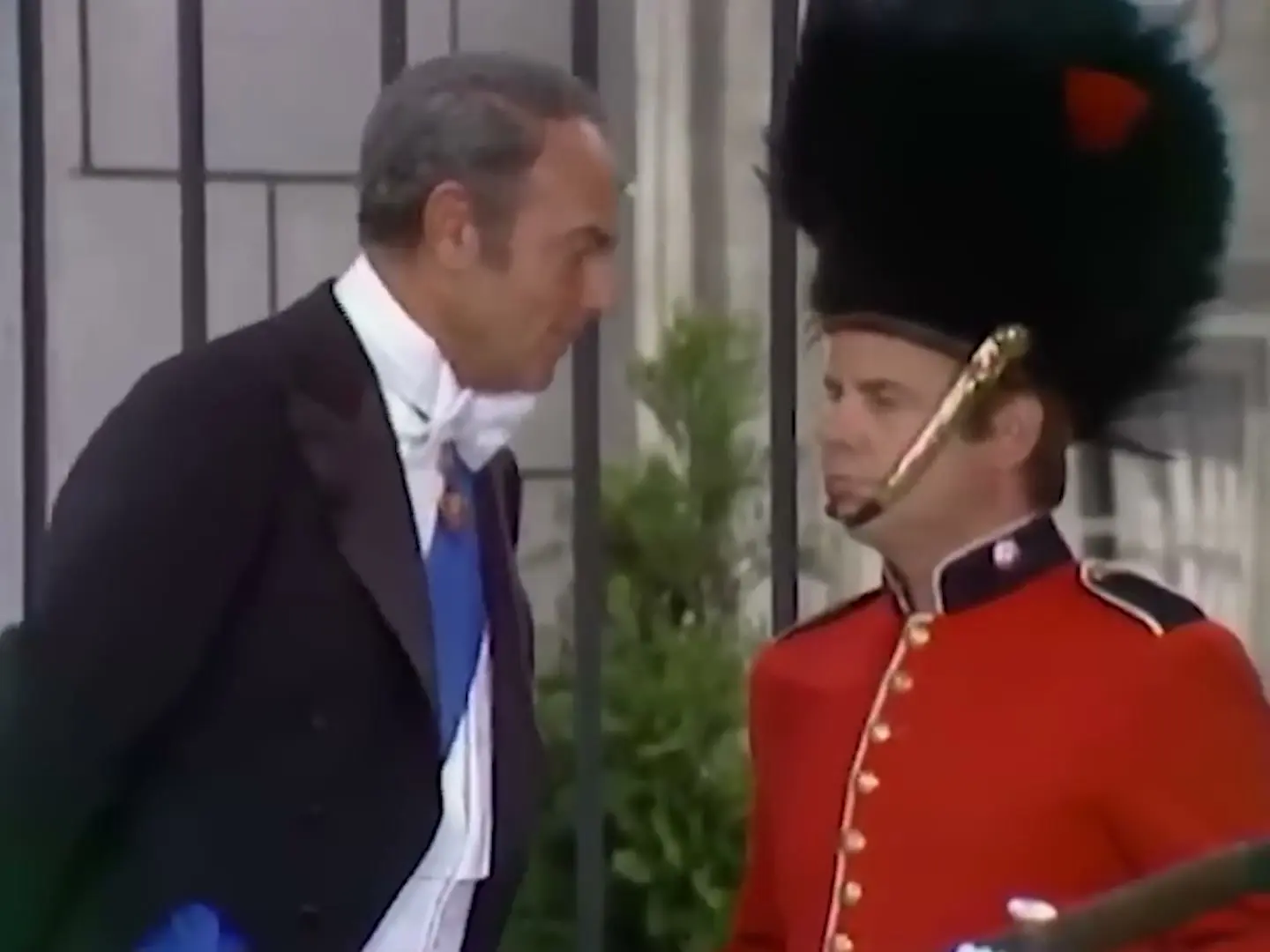
He delivers the most infuriatingly illogical explanations with the calm demeanor of a man reading a grocery list.
The longer Conway takes to explain a rule, the tighter Korman coils, turning a simple hallway standoff into a masterclass in comedic pressure.
Burnett anchors the madness with physical precision, using subtle shifts in posture and sharp, exasperated glances to remind the audience just how ridiculous the entire situation has become.
She does not need loud punchlines to command the frame; her silent reactions carry as much comedic weight as the dialogue itself.
As the sketch moves past the six-minute mark, the cumulative toll of the evening wears the monarchs down to their last nerve.
They have endured endless obstacles, circular logic, and the maddeningly polite resistance of their own household.
Finally, around six minutes and thirty-five seconds in, the King and Queen demand answers and uncover the true, ridiculous reason behind the strict bedroom blockade.
The revelation is so profoundly trivial that it breaks whatever composure the rulers had left.
It triggers an explosive outburst of physical comedy and pure exasperation from both Burnett and Korman, bringing the slow burn to a roaring boil.
The climax works because the writers and performers earned every second of the buildup.
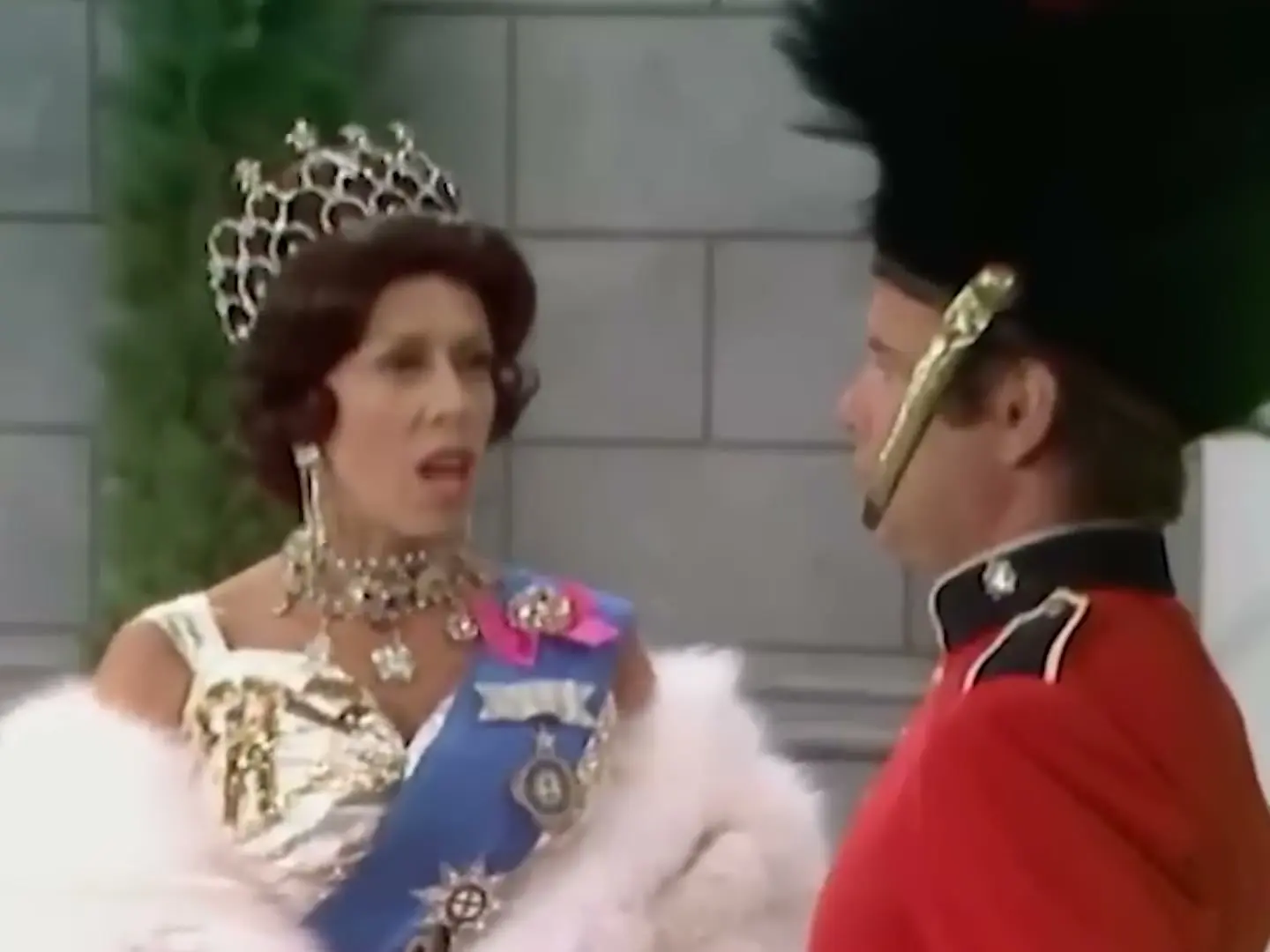
Rather than relying on cheap gags or frantic slapstick from the opening bell, they allowed the irritation to simmer until the payoff felt inevitable and cathartic.
Audiences watching decades later still connect with the sketch because everyone has faced a moment where petty rules triumph over basic common sense.
Whether it is a stubborn bureaucrat, an automated customer service loop, or a palace guard who takes his job far too seriously, the frustration is universal.
Seeing two towering figures of authority reduced to helpless, exhausted mortals gives the comedy an enduring edge.
The Carol Burnett Show thrived on taking grand, theatrical settings—lavish costumes, towering castle doors, regal titles—and puncturing them with grounded human absurdity.
Korman brings theatrical grandeur to the King, making his eventual collapse all the funnier.
Burnett balances regal poise with sudden, relatable bursts of temper.
Conway acts as the immovable object, proving once again that a quiet voice and a straight face can dismantle even the loudest authority figure in the room.
Nearly eight minutes after the monarchs first tried to turn in for the night, the sketch lands its final blow, leaving the King and Queen speechless and the studio audience roaring.
Great sketch comedy rarely ages when it is built on timing, character, and trust among performers at the peak of their craft.
Decades after its original broadcast, watching Carol Burnett, Harvey Korman, and Tim Conway battle over a closed bedroom door remains a masterclass in how to turn a simple premise into television gold.
Watch full video here: