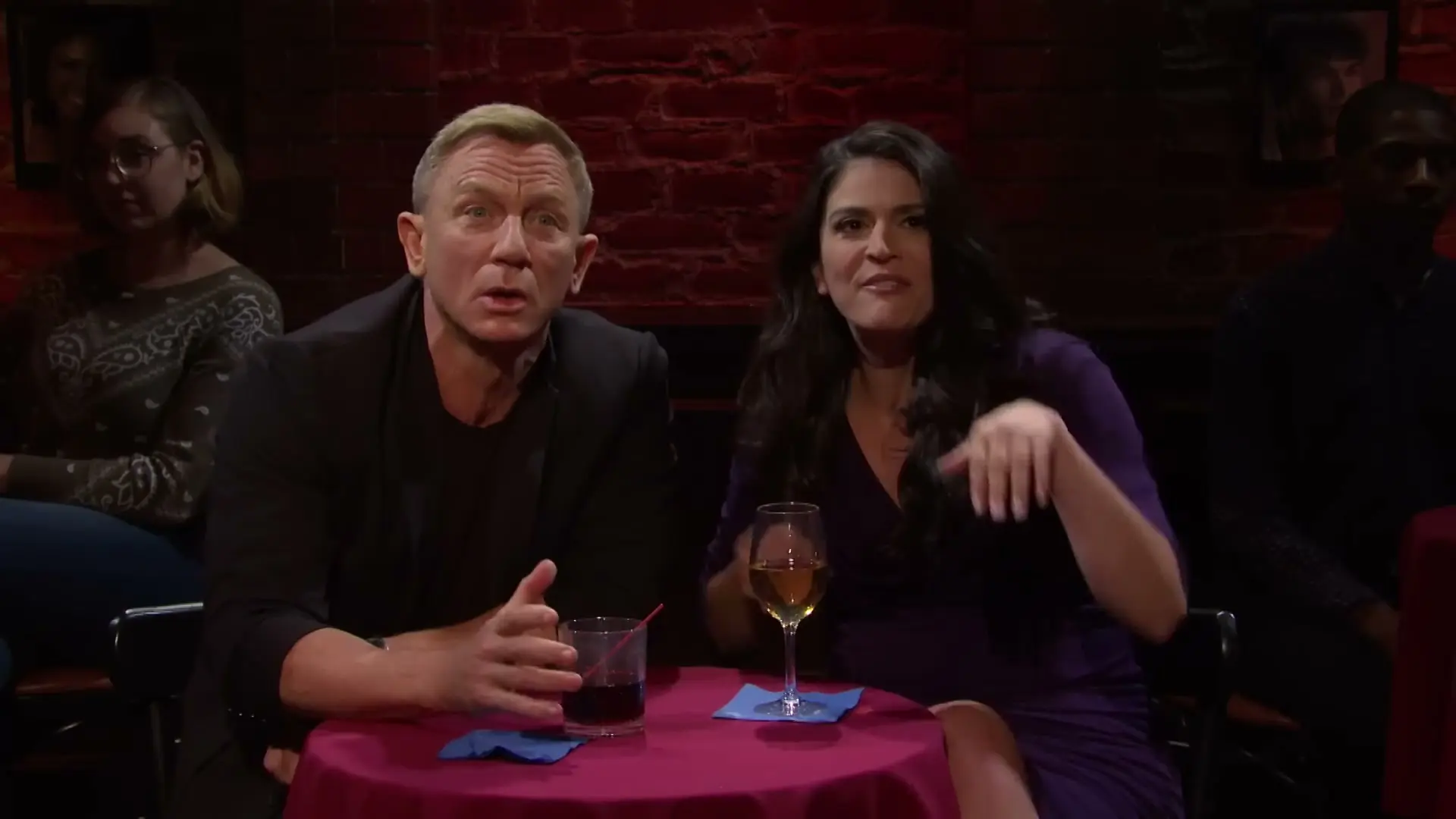
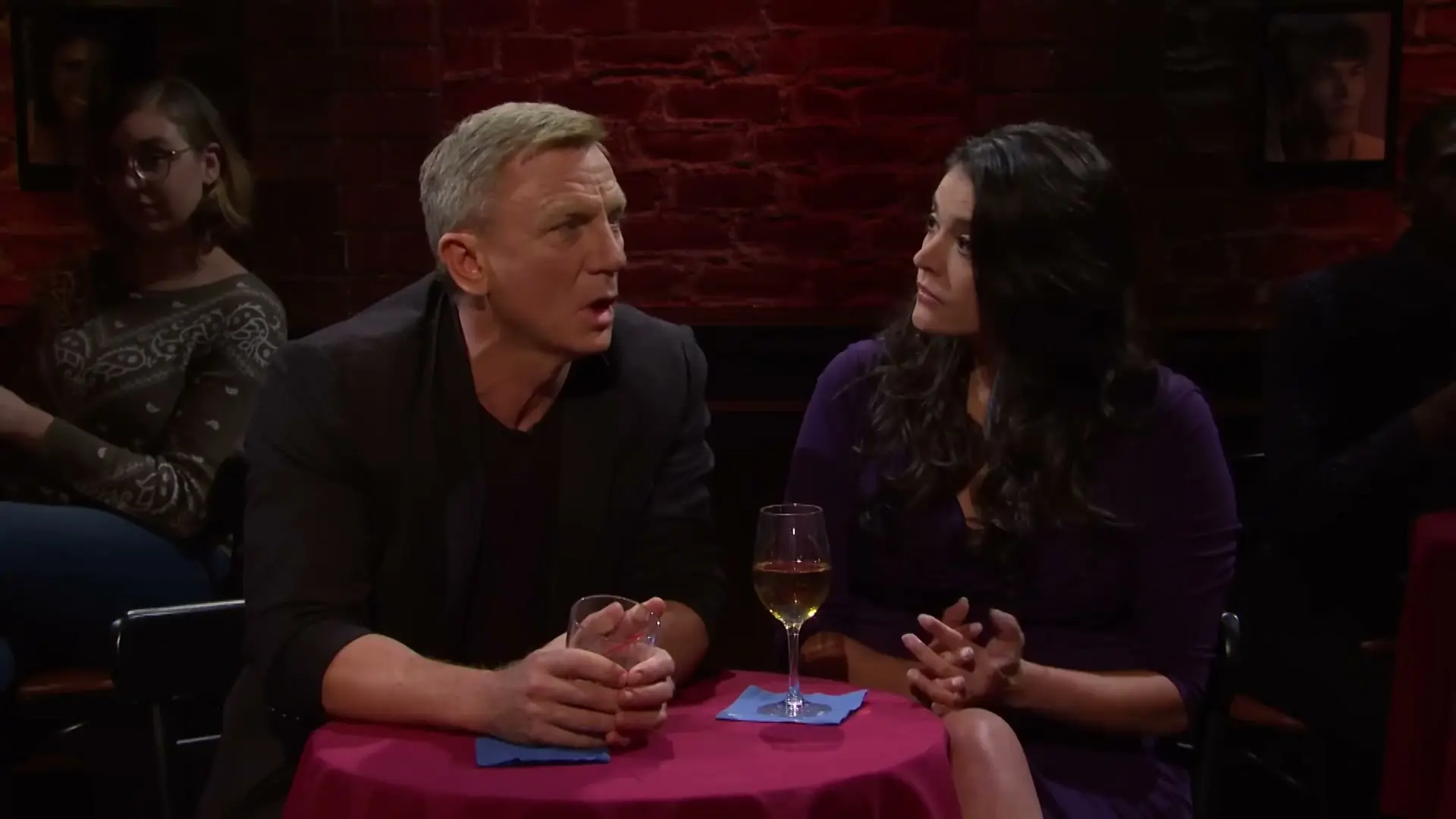
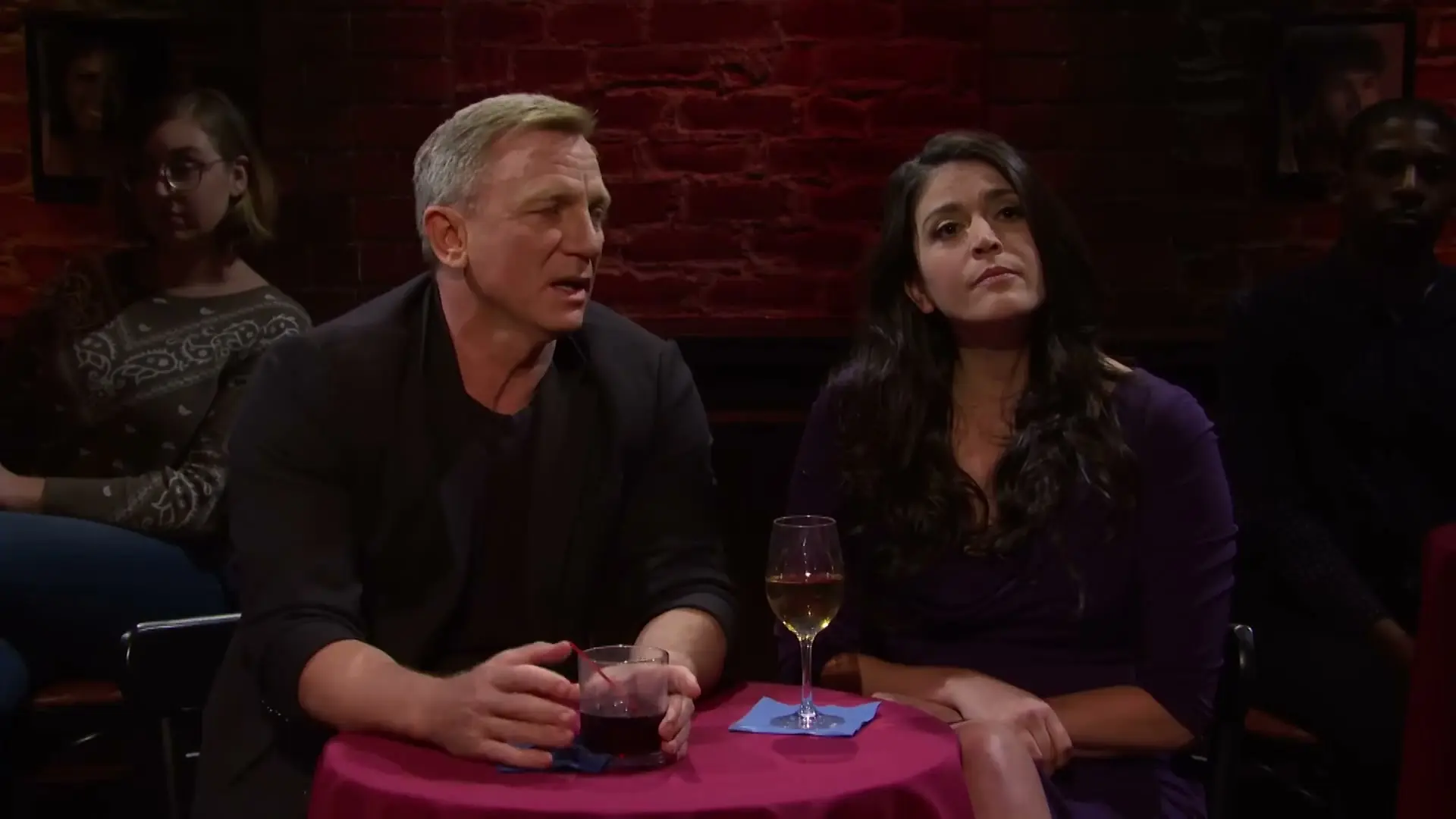
Silence hits a room differently when someone turns a gentle healing circle into a hostage situation.
That is the exact comedic alchemy at the center of Saturday Night Live's standout six-minute sketch, P.J. Doesn't Fit into Women's Group.
In a television landscape crowded with loud, hyper-edited viral clips, this slow-burn masterclass relies on a simple, suffocating premise.
A well-meaning women's support group gathers to share vulnerability, build sisterhood, and celebrate feminine strength.
Then P.J. opens her mouth.
From the opening moments of the six-minute-and-fourteen-second piece, the contrast between the group's warm, earnest energy and P.J.'s abrasive, off-kilter presence sets a ticking time bomb under the conversation.
The sketch understands a fundamental truth about awkward comedy.
Nothing is funnier than polite people desperately trying to maintain decorum while one person systematically dismantles every social norm in the room.
The tension begins simmering early when the group leader initiates a classic, low-stakes icebreaker exercise.
The prompt is simple and designed to foster immediate connection among the participants.
Each woman in the circle is asked to share a single, empowering word that captures what womanhood means to her.
Around the circle, the responses land with predictable, soothing harmony.
The atmosphere feels safe, curated, and emotionally aligned.
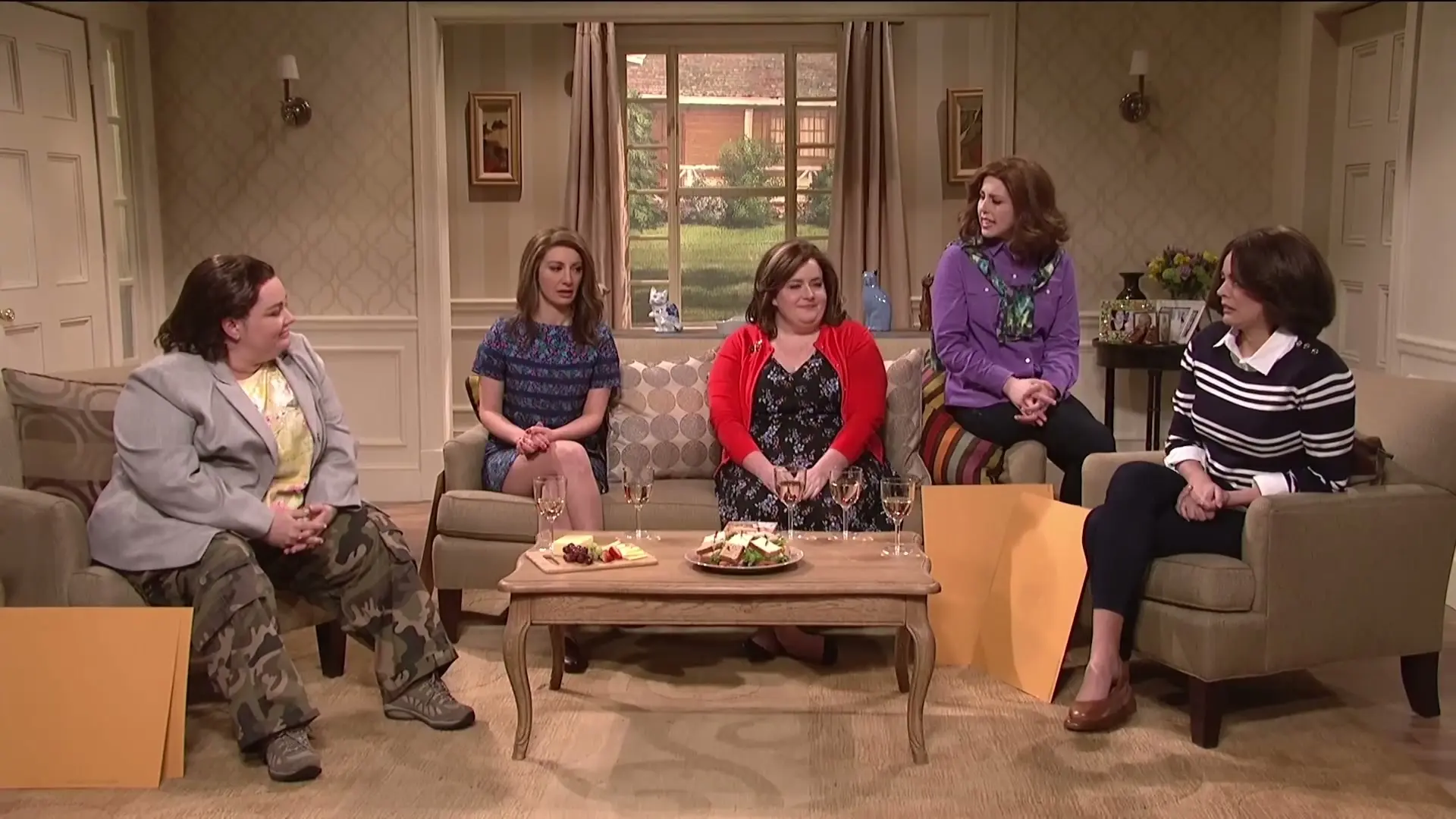
Then the spotlight swings to P.J. around the one-minute-and-fifty-two-second mark.
Instead of offering a standard platitude about resilience, grace, or solidarity, P.J. fires back with an aggressive, thoroughly bizarre answer that stops the room cold.
The tonal whiplash is instantaneous.
Heads turn, smiles freeze, and the other members stare in wide-eyed disbelief as they try to process what they just heard.
Rather than shutting down the exercise, the group leader does what every well-trained facilitator does when confronted with unexpected chaos.
She smiles through the panic and scrambles to pivot the conversation back toward positivity.
That desperate attempt to absorb P.J.'s oddity into the group's supportive framework only sharpens the comedic edge.
Watching the host strain to validate an answer that clearly disturbs everyone present turns a simple awkward moment into an escalating psychological standoff.
By the halfway point of the sketch, viewers are no longer watching a support group meeting.
They are watching a high-wire act where the safety net has been removed.
Every time the circle tries to re-establish its rhythmic, comforting cadence, P.J. looms as an unpredictable threat to the peace.
The payoff arrives at three minutes and thirty-five seconds, when the session moves deeper into personal sharing.
Sensing an opportunity to bond with her peers, P.J. decides to open up about her own life.
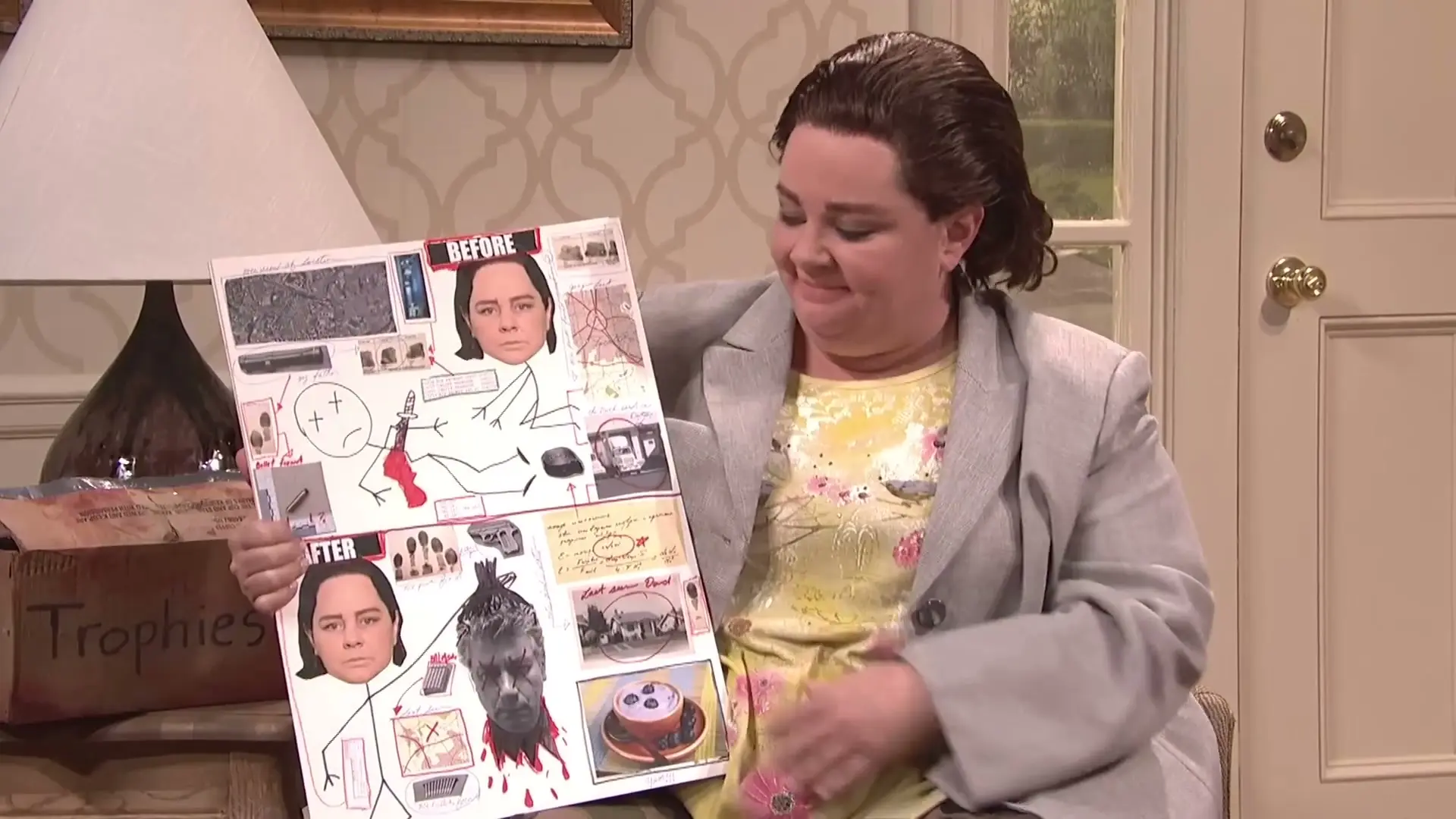
On paper, participating in the exercise is exactly what the group wants from a newcomer.
In execution, P.J. completely misreads the emotional temperature of the room.
She launches into an outrageously inappropriate personal story that has zero alignment with the gentle, supportive ethos the other women have carefully constructed.
The contrast between P.J.'s casual delivery and the sheer shock of her anecdote creates a wall of dead air.
The supportive atmosphere evaporates on contact.
Around the circle, the reactions tell the entire story without a single word of dialogue.
Cast members hold their expressions in stunned, horrified silence, visibly torn between their desire to be welcoming and their instinct to flee the room.
Great sketch comedy lives and dies in those reaction shots.
The camera lingers just long enough on the bewildered faces of the group to let the audience marinate in the secondhand embarrassment.
P.J., however, remains entirely unbothered by the wreckage she has just left in the middle of the floor.
Her total lack of self-awareness acts as an accelerant, making every subsequent beat feel more volatile than the last.
As the sketch approaches its final minute, the group leader attempts to steer the fractured session toward a peaceful, restorative conclusion.
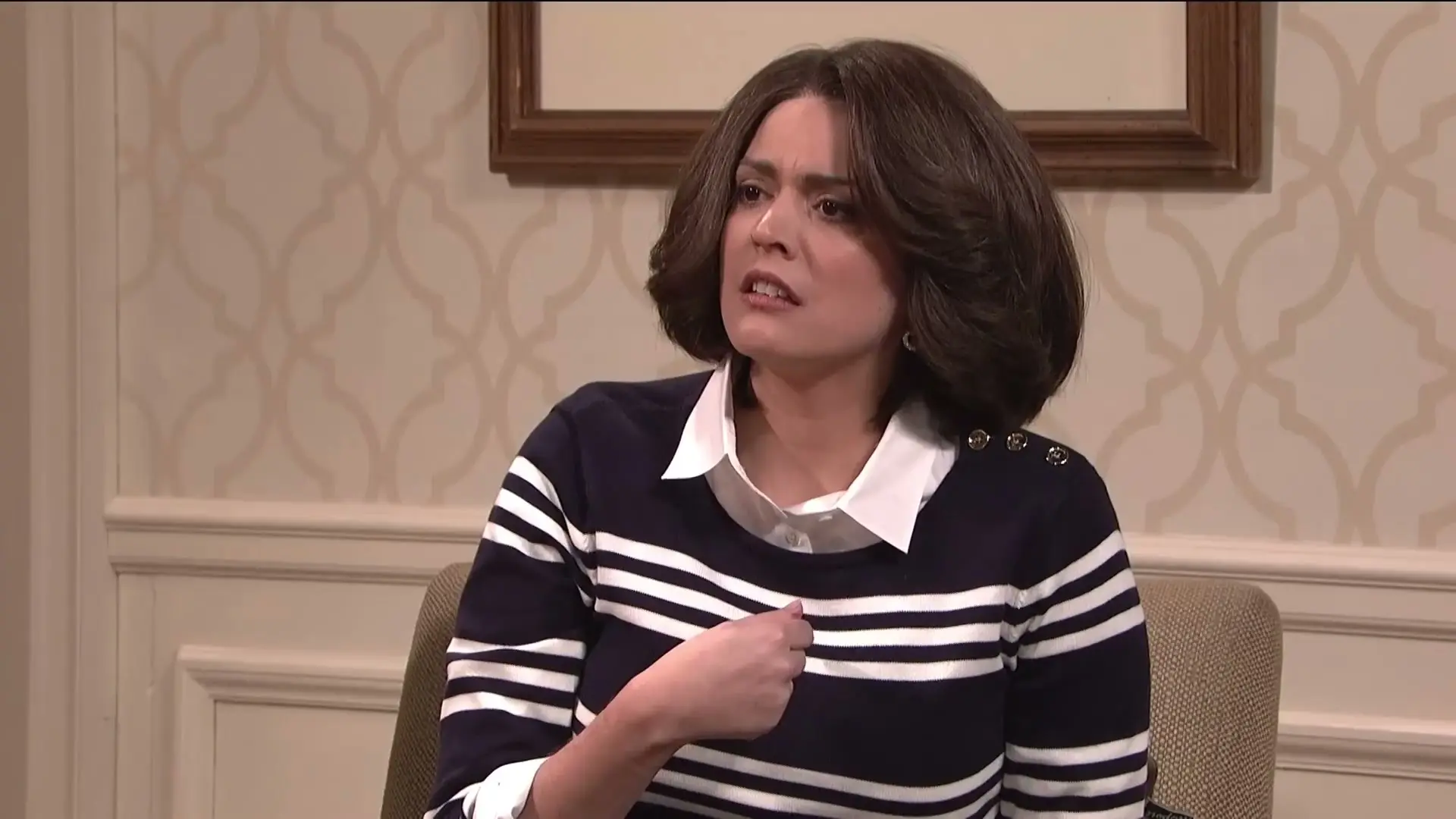
The goal is simple survival.
If they can just wrap up the meeting on a calm, unified note, everyone can walk away intact.
At five minutes and ten seconds, just as the circle prepares to close out the gathering, P.J. strikes one final time.
Refusing to let the energy settle, she interrupts the tranquil closing with one last unhinged declaration.
It is a parting shot that doubles down on every bizarre impulse she has displayed throughout the entire six-minute run.
The remaining composure in the room shatters completely.
The entire circle is left speechless, frozen in a collective state of bewilderment as the meeting comes to an abrupt, chaotic halt.
What makes P.J. Doesn't Fit into Women's Group resonate so strongly with audiences is its refusal to rush the joke.
Across six minutes and fourteen seconds, the writing trusts the premise enough to let the discomfort breathe.
Instead of relying on rapid-fire punchlines or physical slapstick, the sketch mines gold from social friction and the universal fear of being trapped in a room with someone who does not understand the rules.
Every escalation feels earned because it builds directly on the group's polite refusal to confront P.J. head-on.
By the time the final blackout hits, P.J. has cemented herself as a memorable entry in SNL's long tradition of disruptive, socially oblivious characters.
For fans of character-driven cringe comedy, this sketch serves as a sharp reminder that sometimes the loudest laugh comes from watching a room fall completely silent.
Watch full video here: